





The pros and cons of buying or leasing a property for your small business
To help develop this article, click 'Edit this article' above.
Contents |
[edit] Introduction
As an entrepreneur with a small business, your goal may be to expand. The more success you achieve, the larger your company grows. With that comes the decision of whether or not you should lease or purchase a property.
Committing to an space isn’t something that should be undertaken lightly. You need to carefully weigh up options in relation to what would benefit you as a business owner.
Here are some pros and cons that may help better inform your decision.
[edit] Purchasing a property
[edit] Pros
[edit] Potential to gain additional income
If you were to purchase a property that’s a bit bigger than you need, you can use the additional space to rent out. This way you have another source of income as well as the income from your continuously growing business.
[edit] Prices are fixed
Once you purchase a property, that’s it. There’s no risk of an unexpected rise in fees or additional pay-outs. You can then look to lock in your commercial mortgage for the business which will have structured and set payments that you can organise easily. This way you can focus more on your business.
[edit] Potential to sell on
If you take the time to invest in your property, it can provide a long-term gain when you choose to sell. There can be additional designs and features that you can add to the property and you have almost full control of the site and how you wish it to be changed. There’s just the little additional fee of hiring a conveyancing solicitor/ transfer of equity solicitors so that you’re able to have an easy process of transferring the property over.
[edit] Cons
[edit] The uncertainty of business growth
As mentioned earlier, you never know what the future holds for your business and unless you have a solid business plan in place anything could happen. You may be going really well and completely trust the idea of your business expanding greatly. In which case you may purchase a rather large property. There is then the risk that a commitment has been made too early and there’s the need to sell earlier than expected.
[edit] Costs to be paid upfront
When purchasing a property you’ll likely need to make a large investment beforehand which means you’ll need access to cash. There will be several costs including maintenance and property fees and any additional costs where there may be damages or potential to improve the property.
[edit] Leasing a property
[edit] Pros
[edit] Good locations
Many commercial landlords that rent out their property are in prime locations, which means that you’ll have a prime opportunity to target your audience easily. Retail parks are a good example where there are several businesses for customers to explore. It can also be far more affordable considering the potential business you’re likely to receive which can outweigh the rent costs.
[edit] Focus on business
Owning a property means you have additional worries to think about, including maintenance of the building and accommodating those around you. By renting a space it means that you can solely focus on your business.
[edit] Cons
[edit] Costs vary
As a business, your sole purpose is to make a profit and be efficient wherever you feel possible. However, leasing a property comes with unpredictability. The property owner can choose to increase rental fees when you least expect it and then when your rent comes up for renewal the fee may be larger than you may have thought it would be.
[edit] Equity
The fees that are contributed to the property will be funding the property owners business, which means you have less chance of making further income. By having your own space you’ll be able to gain additional income by renting out commercial space to others. If there were any problems with a tenant the cost of a dispute resolution solicitors will also need to be factored in.
[edit] Summary
These are the most important points you should consider when you’re deciding whether to lease or purchase your property. Most of it will be totally dependent on your business plan and the growth of the business. You may want to consider discussing the matter with the financial personnel in your business and seek advice about what the best option is for you.
[edit] Find out more
[edit] Related articles on Designing Buildings Wiki
Featured articles and news
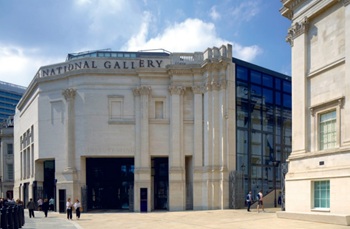
A landmark moment for postmodern heritage.
A safe energy transition – ECA launches a new Charter
Practical policy actions to speed up low carbon adoption while maintaining installation safety and competency.
Frank Duffy: Researcher and Practitioner

Reflections on achievements and relevance to the wider research and practice communities.
The 2026 Compliance Landscape: Fire doors

Why 'Business as Usual' is a Liability.
Cutting construction carbon footprint by caring for soil

Is construction neglecting one of the planet’s most powerful carbon stores and one of our greatest natural climate allies.
ARCHITECTURE: How's it progressing?
Archiblogger posing questions of a historical and contextual nature.
The roofscape of Hampstead Garden Suburb

Residents, architects and roofers need to understand detailing.
Homes, landlords. tenants and the new housing standards

What will it all mean?
The Architectural Technology podcast: Where it's AT

Catch-up on the latest episodes.
Edmundson Apprentice of the Year award 2026
Entries now open for this Electrical Contractors' Association award.

Traditional blue-grey slate from one of the oldest and largest UK slate quarries down in Cornwall.

There are plenty of sources with the potential to be redeveloped.
Change of use legislation breaths new life into buildings

A run down on Class MA of the General Permitted Development Order.
Solar generation in the historic environment
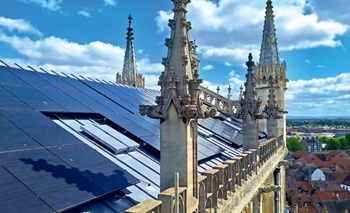
Success requires understanding each site in detail.